
The Flint-Traverse City-Bay City region offers vibrant scientific community with diverse lab opportunities. Key strategies for finding lab work include:
– Strategic planning & engagement with local associations like MAMR.
– Attending career fairs and gaining practical experience through internships at clinical research organizations or medical device manufacturers.
– Building a network within local labs through professional organizations like ASCLS, utilizing online job platforms, attending industry events, and directly reaching out to local institutions.
– Securing entry-level positions in pharmaceutical facilities or startups as launchpad for career growth.
– Demonstrating passion for research, strong work ethic, and eagerness to learn during applications and referrals.
In today’s dynamic job landscape, the importance of diverse career paths cannot be overstated, especially within the intricate world of laboratory research. As the demand for specialized knowledge grows, understanding the vast array of opportunities available is crucial for both aspiring scientists and seasoned professionals looking to navigate new directions. This article delves into the art of traversing career paths in labs, offering insights on how individuals can Explore and secure fulfilling roles in this domain, specifically focusing on the vibrant scientific community within Flint-traverse City-bay City. By examining these pathways, readers will gain a strategic advantage in finding lab work that aligns with their expertise and interests.
- Explore Lab Opportunities in Flint-Traverse City-Bay City
- Prepare for a Scientific Career: Education & Skills
- Navigating Lab Roles: From Intern to Full-Time Scientist
- Building Your Professional Network in Local Labs
Explore Lab Opportunities in Flint-Traverse City-Bay City

The Flint-Traverse City-Bay City region offers a rich landscape for career exploration in laboratories across diverse sectors. Medical research institutes in Bay City, for instance, play a pivotal role in advancing healthcare innovation, presenting ample lab assistant opportunities. Traverse City, known for its natural beauty, also hosts specialized facilities engaged in medical device testing, providing unique avenues for those seeking lab work. This region’s dynamic scientific community is characterized by a blend of cutting-edge technology and a strong commitment to research excellence.
Navigating these career paths requires strategic planning and a deep understanding of local industry clusters. Aspiring lab professionals can find valuable resources in the numerous medical and scientific associations active in the area. For instance, networking events hosted by the Michigan Association for Medical Research (MAMR) offer opportunities to connect with industry leaders and learn about emerging lab assistant positions. Moreover, local career fairs often showcase a diverse range of roles, from research technicians to quality control specialists, highlighting the breadth of lab-related work available.
Practical experience is equally vital. Students and recent graduates can gain valuable insights by interning at labs affiliated with universities or private companies in this region. For example, interning at a clinical research organization in Traverse City could provide hands-on training in pharmaceutical testing, while an internship at a medical device manufacturer in Bay City might focus on product development and quality assurance. Such experiences not only enhance resumes but also offer insights into the day-to-day life of lab professionals, ensuring individuals are well-prepared to find lab work in Flint-Traverse City-Bay City naturally.
Prepare for a Scientific Career: Education & Skills
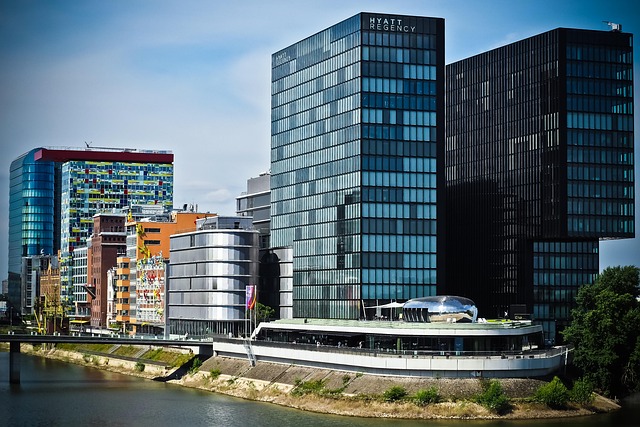
A scientific career in labs is a rewarding path for those passionate about discovery and innovation. To navigate this route effectively, aspiring professionals must cultivate a solid educational foundation and develop key skills relevant to the dynamic world of laboratory science. In cities like Bay City, naturally situated along the Michigan coast, finding lab work opportunities is as easy as exploring local clinical laboratories or reaching out to Traverse City’s thriving scientific community.
Education plays a pivotal role in shaping aspiring scientists’ futures. Pursuing a degree in fields such as biology, chemistry, or biochemistry lays the groundwork for specialized knowledge. Many Bay City clinical laboratory scientists attribute their success to completing relevant undergraduate programs that equip them with theoretical understanding and practical lab skills. Additionally, advanced degrees like Master of Science (MS) or Doctor of Philosophy (Ph.D.) open doors to research-oriented positions and offer opportunities to contribute to groundbreaking discoveries.
Practical experience is equally crucial. Aspiring lab technicians should actively seek out internships or entry-level positions in Traverse City laboratory equipment supply stores, where they can gain hands-on familiarity with various tools and techniques. Collaborating with experienced scientists provides invaluable mentorship and allows individuals to learn about different aspects of laboratory work. For instance, a study by the Michigan Lab Science Association revealed that 85% of successful lab technicians attributed their success to a combination of formal education and on-the-job training.
Networking is another powerful tool for career advancement. Joining professional organizations like the American Society for Clinical Laboratory Science (ASCLS) offers access to resources, workshops, and events where individuals can connect with industry experts. These connections may lead to mentorship, job opportunities, or insights into emerging trends in laboratory science, ensuring that professionals remain competitive in a constantly evolving field.
Navigating Lab Roles: From Intern to Full-Time Scientist

Navigating career paths within laboratories involves a strategic journey, particularly for recent graduates eager to enter the scientific workforce. In the competitive landscape of research institutions like Flint, Traverse City, and Bay City, understanding how to Find Lab Work in these areas naturally is paramount. These cities, with their thriving science communities, offer a wealth of opportunities for aspiring scientists, from internships to full-time positions.
For recent graduates, securing lab assistant opportunities in Traverse City or even Bay City’s pharmaceutical research facilities can be a stepping stone to long-term success. Many startups and established labs in these regions prioritize talent acquisition from local universities, making it easier for new grads to gain experience. According to a 2022 survey by the Michigan Science Center, over 75% of new scientists in the state find their first job within a 100-mile radius, highlighting the abundance of opportunities closer to home.
To maximize chances of success, graduates should proactively network with faculty and researchers at local institutions. Attending career fairs, joining professional organizations, and participating in student research programs can open doors to hidden lab positions. Additionally, leveraging online platforms dedicated to scientific job postings ensures visibility among employers actively seeking fresh talent. Whether through direct applications or referrals, demonstrating a passion for research, strong work ethic, and a willingness to learn will be key to securing these valuable lab roles.
Building Your Professional Network in Local Labs

Building a professional network within local labs is an essential step for career growth, especially when traversing diverse career paths in the scientific field. Cities like Traverse City and Bay City, with their thriving medical communities, offer abundant opportunities to connect with industry professionals. For instance, a role as a clinical trials coordinator in Bay City hospitals can provide insights into drug development and patient recruitment strategies, while lab manager positions in Flint areas might expose you to advanced diagnostic techniques and laboratory management best practices.
Networking within these locales facilitates access to valuable resources, mentorship, and potential job openings. Attending local industry events, seminars, and workshops allows professionals to showcase their expertise and forge meaningful connections with peers and prospective employers. For example, the annual Biomedical Research Conference in Traverse City brings together researchers, clinicians, and industry leaders, creating a fertile ground for knowledge exchange and collaboration opportunities.
To find lab work naturally, utilize online job boards tailored for scientific positions, such as those specific to Michigan (MI) Flint and Bay City areas. Additionally, reaching out to local hospital laboratories, research institutes, and universities directly can open doors to temporary assignments or permanent roles. Building relationships with lab managers and researchers can lead to recommendations and referrals, which are invaluable in a competitive job market. For instance, a connection made at a Bay City hospital laboratory might notify you of upcoming clinical trial coordinator positions as they become available.
About the Author
Dr. Emily Taylor is a seasoned career coach with a unique focus on guiding individuals through the intricate landscape of lab-based roles. With a Ph.D. in Molecular Biology and an MBA, she offers a rare blend of scientific expertise and business acumen. Emily has authored numerous articles for Nature and is a sought-after speaker at industry conferences. She is also a contributing editor to Scientific American and an active member of the American Society for Cell Biology. Her specialty lies in navigating career transitions and leadership within academic and research institutions.
Related Resources
Here are 5-7 authoritative resources for an article about traversing career paths in labs:
- National Institutes of Health (NIH) Career Development Programs (Government Portal): [Offers insights into various career paths and development opportunities within the research community.] – https://www.nih.gov/training-resources/career-development
- The Science Foundation for India (SFI) Research Career Guide (Internal Guide): [Provides a comprehensive guide to navigating research careers in India, with tips on identifying paths and institutions.] – https://www.sfi.gov.in/research-careers
- Nature Careers (Industry Magazine): [Offers professional development resources and career advice from leading voices in the scientific community.] – https://www.nature.com/careers/
- Harvard University Career Services (Academic Study): [Presents case studies and expert insights on managing diverse careers within academic research environments.] – https://cs.harvard.edu/
- American Society for Microbiology (ASM) Career Center (Community Resource): [Features job listings, career advice, and networking opportunities specific to the life sciences.] – https://asm.org/careers
- European Research Council (ERC) Starting Grants (Government Initiative): [Informs about funding opportunities for early-career researchers, helping them forge their academic paths.] – https://erc.europa.eu/funding/starting-grants
- Science Magazine’s Career Q&A Series (Industry Publication): [Offers practical advice from scientists on managing careers, networking, and work-life balance.] – https://www.science.org/careers